In honour of Black History Month, I have shared a carefully curated list of films, series and clips to shed light on Black history and experience in Canada and throughout the rest of the world. There is something for everyone in this list from Chadwick Boseman’s final powerful performance in Ma Rainey’s Black Bottom to Chris Rock’s documentary on the hair in black culture (one of my personal favourites) and Harriet Tubman’s heroic story.
Short on time? Check out a short yet powerful clip from Grey’s anatomy. Looking for a series to binge with the kids? Try Black-ish. Prefer documentaries we have incredible Canadian docs in there too!
I encourage you to watch any episode, film or clip from the list below and share your learnings in the comments below!
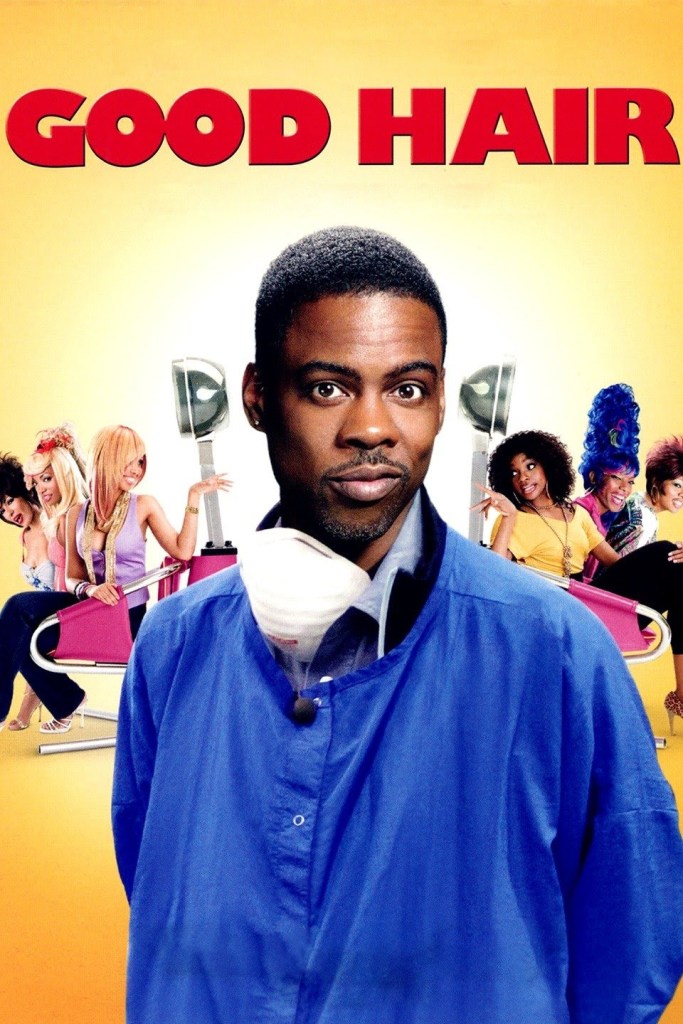
Good Hair
Feature Film on Amazon Prime
Family Friendly
Synopsis: Prompted by a question from his young daughter, comic Chris Rock sets out to explore the importance of hair in black culture. Rock interviews celebrities such as Ice-T and Raven Symone, and visits hair salons, stylist competitions and even an Indian temple to learn about hair culture.
Reflection: What did you learn about the significance of hair culture within the black community?
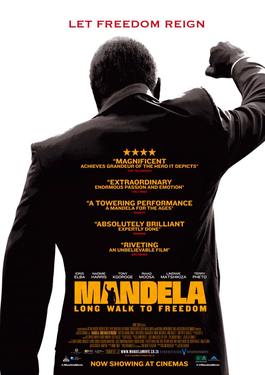
Mandela Long Walk to Freedom
Feature Film on Apple TV
Family Friendly
Synopsis: The remarkable life of South African revolutionary, president and world icon Nelson Mandela (Idris Elba) takes centre stage. Though he had humble beginnings as a herd boy in a rural village, Mandela became involved in the anti-apartheid movement and co-founded the African National Congress Youth League. His activities eventually led to his imprisonment on Robben Island from 1964 to 1990. In 1994, Mandela became the first president of democratic South Africa.
Reflection: After watching this film, what was your biggest learning when it comes to Nelson Mandela’s fight for equality?
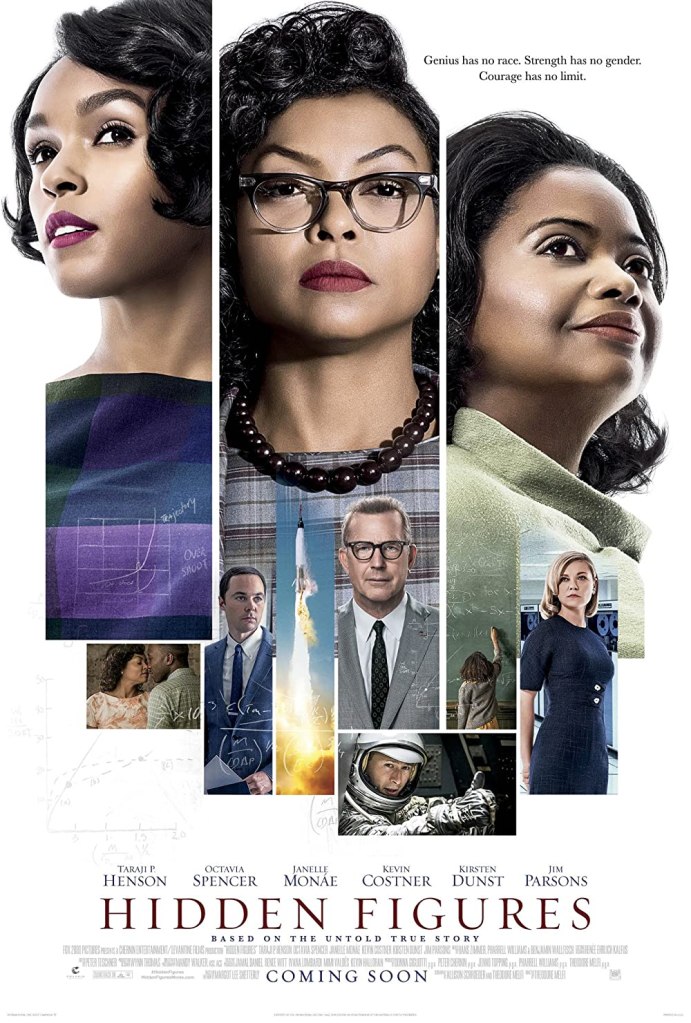
Hidden Figures
Feature Film on Disney+
Family Friendly
Synopsis: Three brilliant African-American women at NASA — Katherine Johnson, Dorothy Vaughan and Mary Jackson — serve as the brains behind one of the greatest operations in history: the launch of astronaut John Glenn into orbit, a stunning achievement that restored the nation’s confidence, turned around the Space Race and galvanised the world.
Reflection: Tell us what you learned about the struggles faced by black women in this film? What stood out to you most?
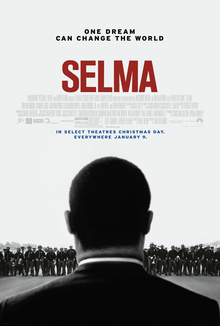
Selma
Feature Film on Amazon prime
Family Friendly
Synopsis: Although the Civil Rights Act of 1964 legally desegregated the South, discrimination was still rampant in certain areas, making it very difficult for Blacks to register to vote. In 1965, an Alabama city became the battleground in the fight for suffrage. Despite violent opposition, Dr. Martin Luther King Jr. (David Oyelowo) and his followers pressed forward on an epic march from Selma to Montgomery, and their efforts culminated with President Lyndon Johnson signing the Voting Rights Act of 1965.
Reflection: What did you learn about the Voting Rights Act? Do you think that it is effective in the present day?
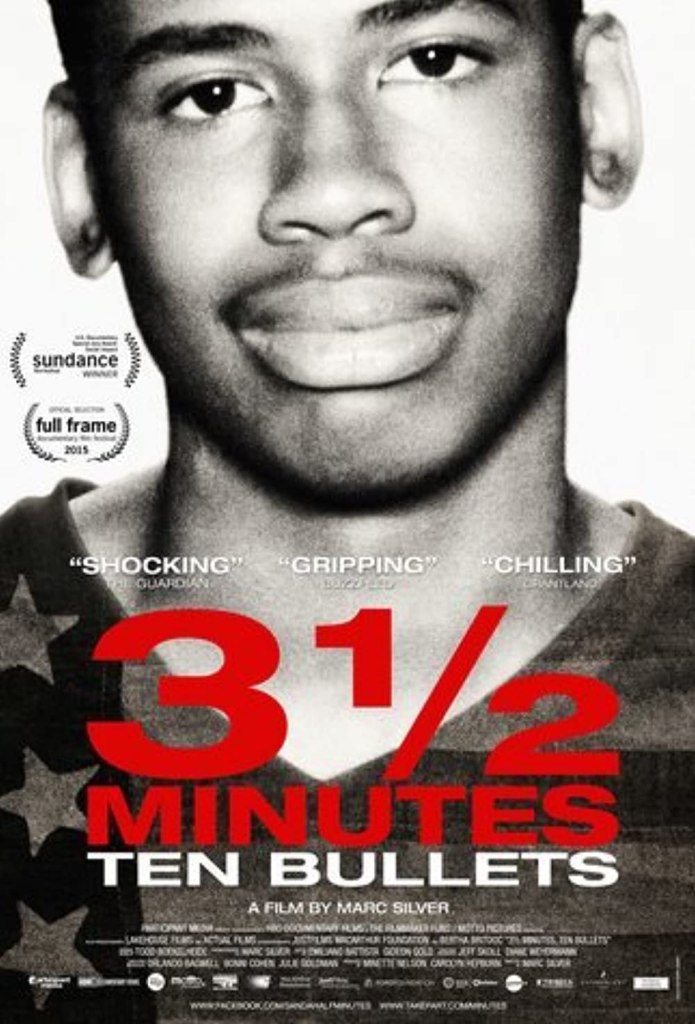
3 1/2 Minutes – Ten Bullets
Documentary on Vimeo
Not recommended for children
Synopsis: Filmmaker Marc Silver uses the shooting death of black teenager Jordan Davis to examine Florida’s `Stand Your Ground’ self-defence law.
Americans are automatically considered more “threatening” and their deaths more justified regardless of their actions (or lack of weaponry)
Reflection: With that in mind, do you think that the “Stand your ground” defence should be revised?
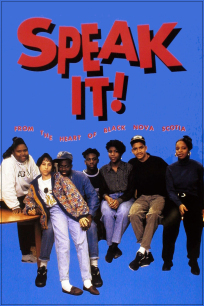
Short Doc: Speak it! From the Heart of Black Nova Scotia
Canadian – Documentary Online
Family Friendly
Synopsis: Follows a group of youth in Nova Scotia seeking education about their black history and justice for their contemporary black community. The discrimination some black youth face—at school, when seeking jobs, or simply out on the streets—is heartbreaking to witness, but the hopefulness, enthusiasm, and strength of the young people profiled in this film is truly inspiring. Emotions run high in critical discussions profiled in the film: skip to the 20:11 mark to catch a heated debate about interracial relationships and the social stigma associated with them. The passion of the young man speaking to his classmates about the need to fight stereotypes and discrimination is very moving.
Reflection: The debate about interracial relationships continues in present day – what was your biggest takeaway from this scene?
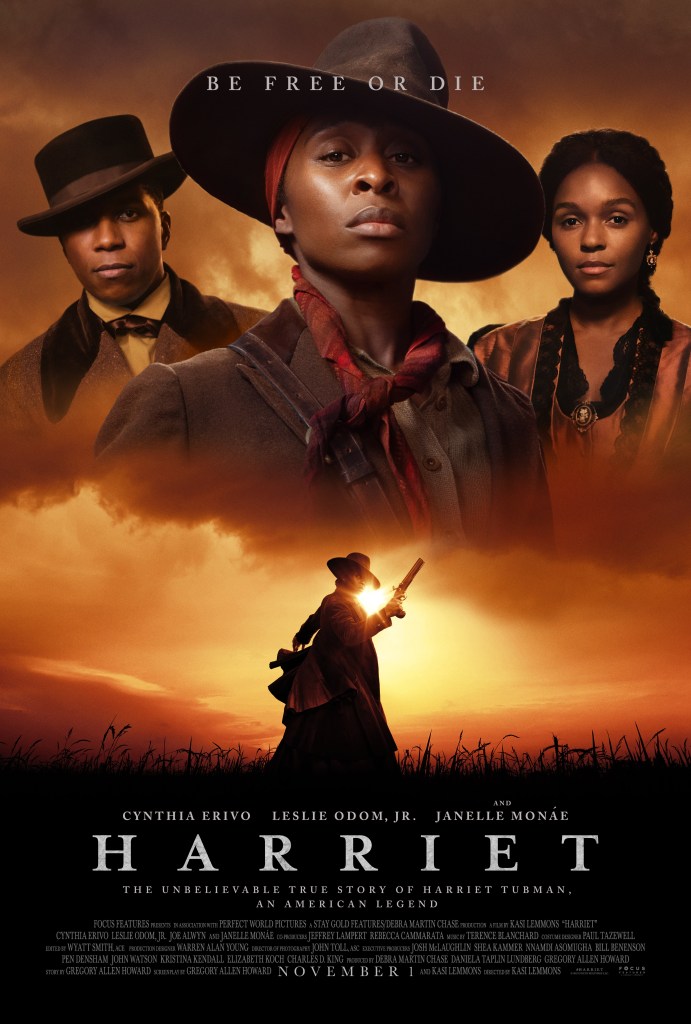
Harriet
Feature Film on Netflix
Family Friendly
Synopsis: From her escape from slavery through the dangerous missions she led to liberate hundreds of slaves through the Underground Railroad, the story of heroic abolitionist Harriet Tubman is told.
After viewing Harriet, what are your thoughts about the choices Americans made in response to slavery.
Reflection: Why did some slaves choose to escape, while others stayed? Why did some Americans risk participating in the Underground Railroad, while others did not?
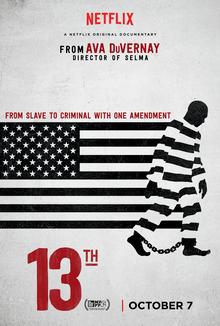
13th
Feature Film on Netflix
Not reccomended for children
Synopsis: Filmmaker Ava DuVernay explores the history of racial inequality in the United States, focusing on the fact that the nation’s prisons are disproportionately filled with African-Americans.
Reflection: What was your biggest learning about US prisons?
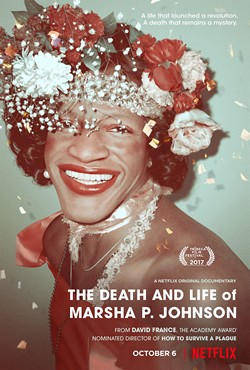
The Death and Life of Marsha P. Johnson
Documentary on Netflix
Family Friendly
Synopsis: When Stonewall Veteran and beloved Greenwich Village personality Marsha P Johnson turned up dead shortly after Gay Pride in 1992, it was the latest in a series of murders, gay bashings, and “mysterious” deaths in the local gay community. Johnson is seen in footage at a political march shortly before this, at an action trying to draw attention to these hate crimes. Tragically, Johnson then becomes the next victim. Like the other suspicious deaths, Johnson’s death is quickly dismissed as a “suicide”, even though there is no evidence that Johnson was suicidal, and significant evidence that Johnson was harassed and stalked on that very night. Demonstrations are held to protest the lack of police investigation, but it is not until decades later that transgender crime advocate Victoria Cruz succeeds in getting some answers.
Reflection: What is the significance of the intersectionality of being both black and transgender? That is, what does the culmination of being black and transgender mean for people identity this way, as opposed to people who only identity as black, or only identify as transgender?
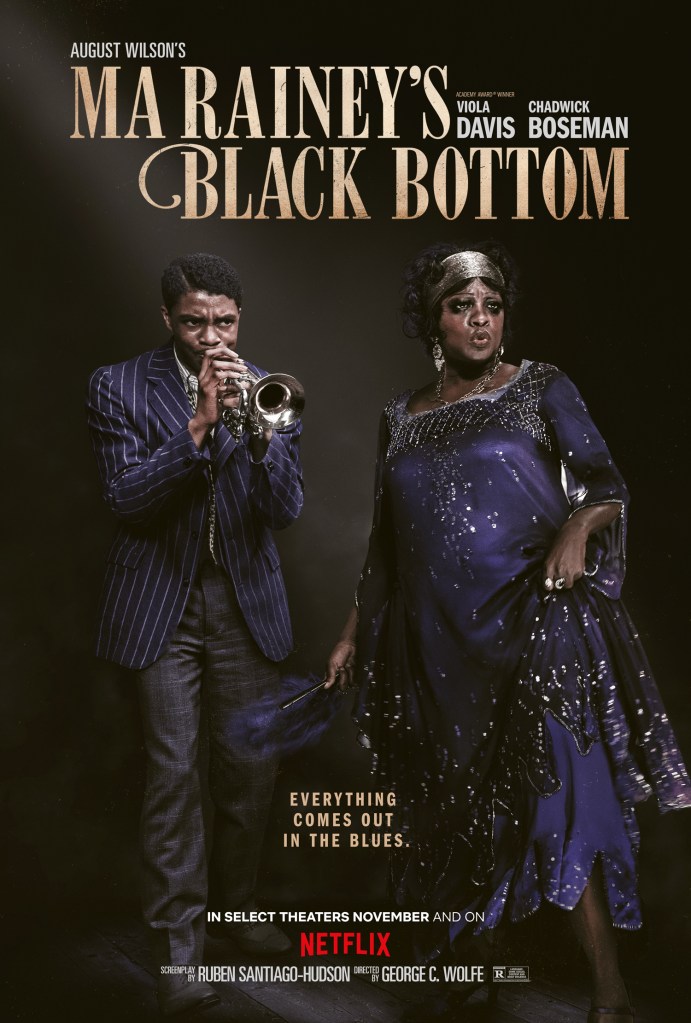
Ma Rainey’s Black Bottom
Feature Film on Netflix
Not suitable for children
Synopsis: Tensions and temperatures rise over the course of an afternoon recording session in 1920s Chicago as a band of musicians await trailblazing performer, the legendary “Mother of the Blues,” Ma Rainey (Academy Award® winner Viola Davis). Late to the session, the fearless, fiery Ma engages in a battle of wills with her white manager and producer over control of her music. As the band waits in the studio’s claustrophobic rehearsal room, ambitious trumpeter Levee (Chadwick Boseman) – who has an eye for Ma’s girlfriend and is determined to stake his own claim on the music industry – spurs his fellow musicians into an eruption of stories revealing truths that will forever change the course of their lives. Adapted from two-time Pulitzer Prize winner August Wilson’s play, MA RAINEY’S BLACK BOTTOM celebrates the transformative power of the blues and the artists who refuse to let society’s prejudices dictate their worth.
Ma Rainey’s Black Bottom plays peekaboo with the audience and it reveals a different face to whoever is watching.
Reflection: Take a moment and reflect on which character you identify with this film – does it make you uncomfortable? Tell us!
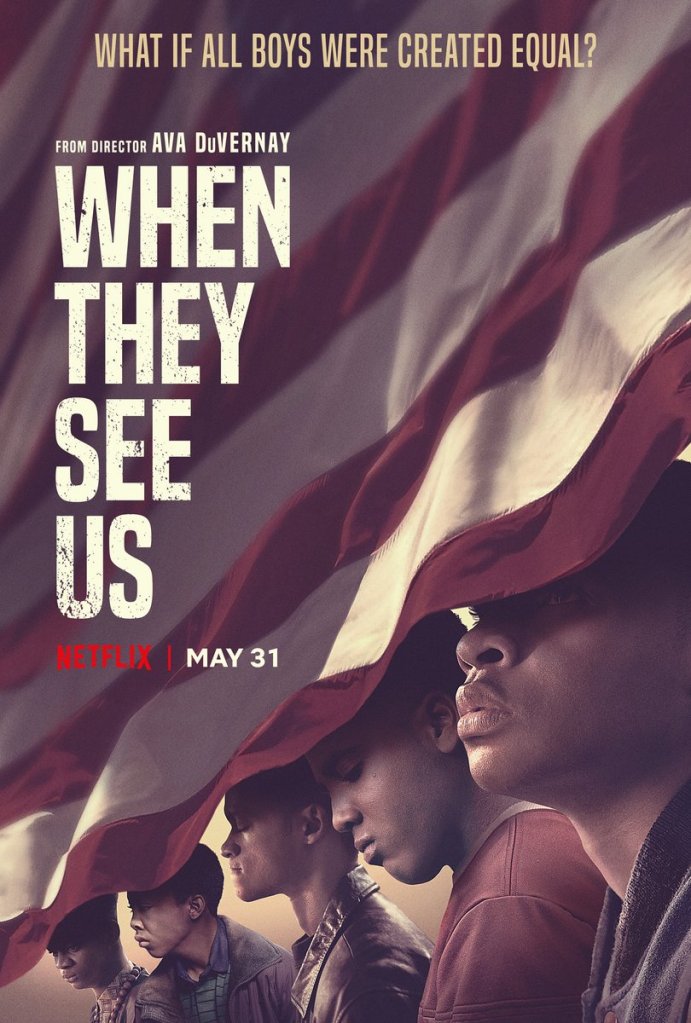
When They See Us
Series on Netflix
Not recommended for young children
Synopsis: In 1989, a jogger was assaulted and raped in New York’s Central Park, and five young people were subsequently charged with the crime. The quintet, labelled the Central Park Five, maintained its innocence and spent years fighting the convictions, hoping to be exonerated. This limited series spans a quarter of a century, from when the teens are first questioned about the incident in the spring of 1989, going through their exoneration in 2002 and ultimately the settlement reached with the city of New York in 2014.
The series refers to the black teens as “animals”, which immediately makes each teen seem like a threat. Suspecting someone because of their race still happens today. And according to a 2018 Bureau of Justice Statistics report, police are twice as likely to use force against people of colour.
Reflection: What can we do? Share what you think we as a society can do to change this.
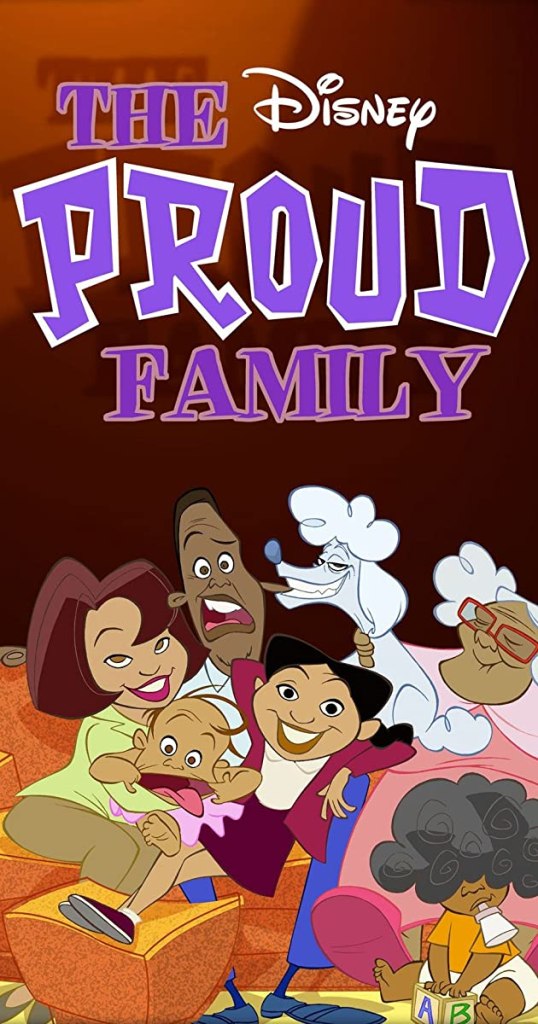
Proud Family, Season 1, Episode 15: I Had A Dream
Series on Disney+
Family Friendly
Synopsis: While doing a report for black history, Penny is caught in a windstorm and gets sent back to the year 1955 where everything she knew is gone.
Reflection: How does this cartoon (created specifically for children) teach children about race and racism? How does knowing your history inform how you understand your present day life and privileges?
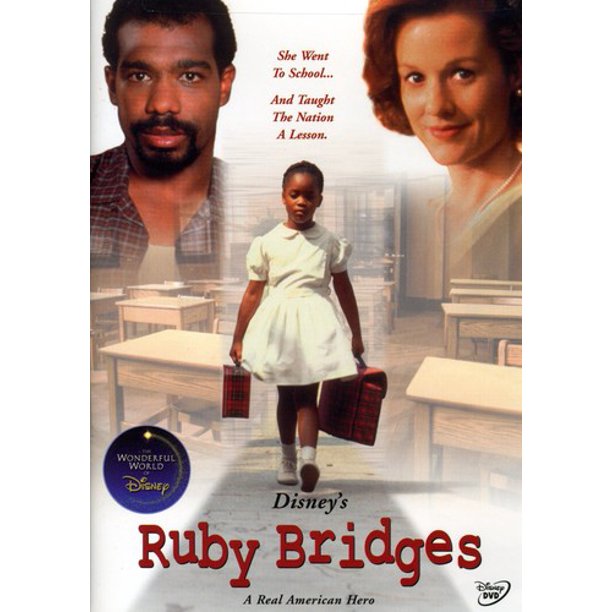
Ruby Bridges
Feature Film on Disney+
Family Friendly
Synopsis: In 1960, a six-year-old African-American girl named Ruby Bridges helped to integrate the all-white schools of New Orleans. Although she was the only black girl to come to the school she was sent to, and since all the white mothers pulled their children out of class, she was the only one there. Although she faced a crowd of angry white citizens every day, she emerged unscathed, physically or emotionally. Encouraged by her teacher, a white woman from the North named Barbara Henry, and her mother Lucille, and with her own quiet strength, she eventually broke down a century-old barrier forever, a pivotal moment in the civil-rights movement.
Reflection: How does the camera work in the film share the perspective for Ruby Bridges? Does it effectively communicate with the audience how Ruby experiences the events of the film?
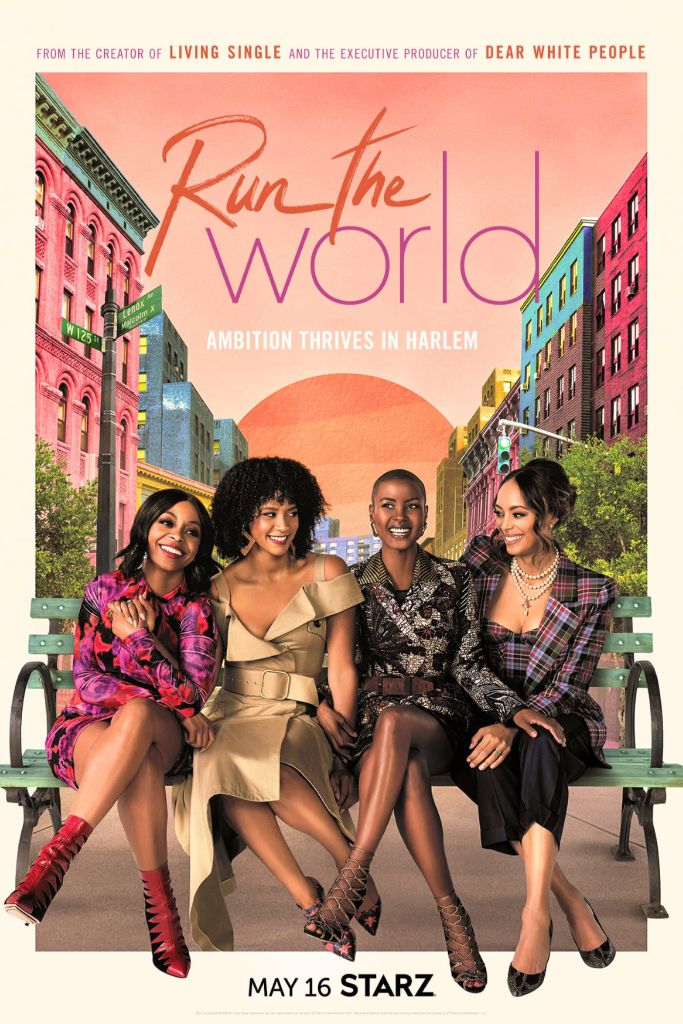
Harlem
Series on Amazon prime
Not suitable for children
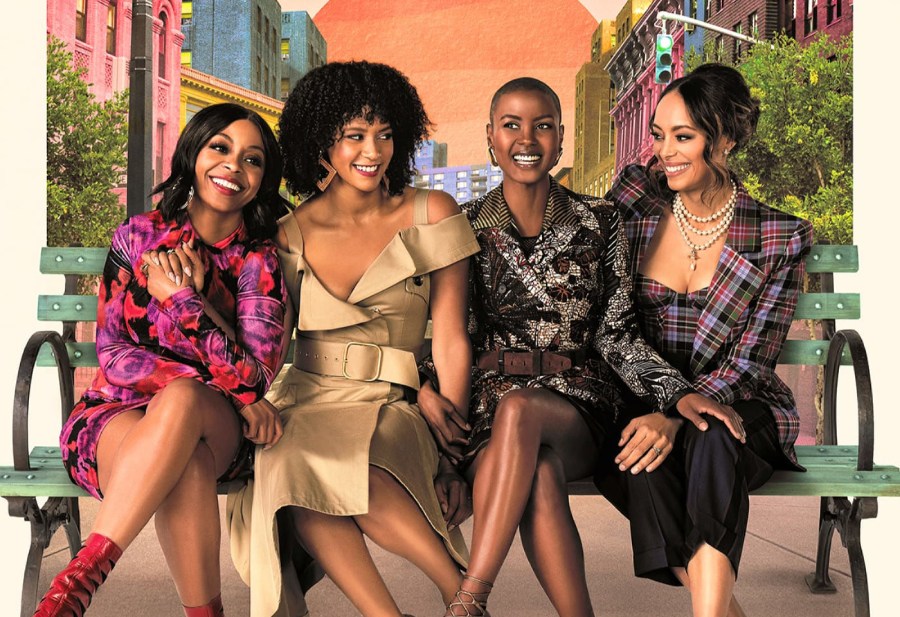
The show chews through so many socio political issues one could mistake it for a spontaneous babble on Clubhouse. Revolving around the lives of Black female friends Camille, Angie, Quinn, and Tye, the quartet navigate a changing Harlem in New York. Their lives, too, are changing.
On the show, white supremacy is the culprit. Harlem is shapeshifting into a capitalist husk, Black traditions and heritage hollowed out to create a suitable environment for whiteness. Camille (Meagan Good), who is an adjunct professor of anthropology of sex and modern love at Columbia University, makes astute observations on social media about her beloved neighborhood being gentrified. Among the issues Harlem addresses with jabs of humour during its 10 episodes — including microaggressions and cultural appropriation — the most gravitas lands on episode 6, titled “The Strong Black Woman.”
Reflection: What did you learn about micro-aggressions and cultural appropriation?
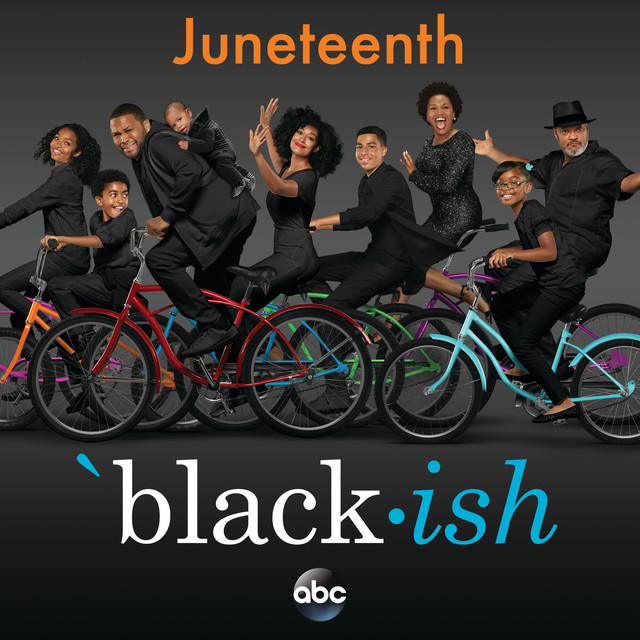
Black-ish (Season 4, Episode 1)
Series on Disney+
Family Friendly
Synopsis: Dre Johnson (Anthony Anderson) has it all – a great job, beautiful wife Rainbow (Tracee Ellis Ross), four kids and a big home in a classy neighbourhood – but as a black man, he begins to question whether all his success has brought too much cultural assimilation for his family. With the help of his father (Laurence Fishburne), Dre begins to try to create a sense of ethnic identity for the members of his family that will allow them to honour their background while preparing them to embrace the future.
While there are many incredibly educational episodes in this series – we recommend that you watch the episode covering Juneteenth – Black-ish episode (season 4, episode 1)
Reflection: Share what you learned about this important date!
Only have a few minutes?
Check out this short clip about the talk: ‘Grey’s Anatomy’ Tackles ‘The Talk’ In Wrongful Police Shooting Episode Season 14, Episode 10
Synopsis: Grey’s Anatomy tackled unconscious bias and wrongful police shootings in this episode, with one of the main character’s giving “the talk” to her young black son.
The episode shows the doctors facing a wrongful shooting when a young black boy comes to the emergency room after being shot. The young man was spotted breaking into his own house in a wealthy neighbourhood after he was locked out. He was then shot by police while reaching for a phone in his pocket.
This clip was incredibly powerful, and while the show is based in the US, these conversations take place in Canada every day –
Reflection: What is your biggest take away after watching this?
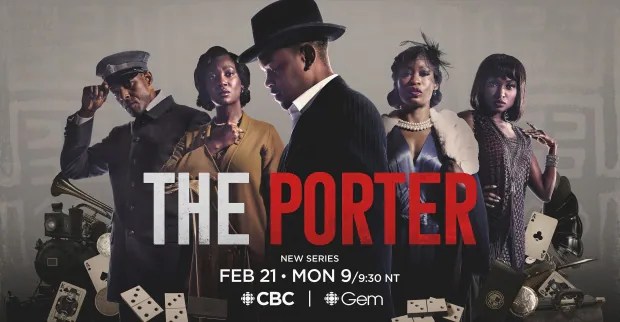
Series: The Porter
Canadian Series on CBC
Synopsis: Inspired by real events and set in the roar of the 1920s, THE PORTER (8×60) follows the journeys of an ensemble of characters who hustle, dream, cross borders and pursue their ambitions in the fight for liberation – on and off the railways that crossed North America. It is a gripping story of empowerment and idealism that highlights the moment when railway workers from both Canada and the United States joined together to give birth to the world’s first Black union. Set primarily in Montreal, Chicago and Detroit as the world rebuilds after the First World War, THE PORTER depicts the Black community in St. Antoine, Montreal – known, at the time, as the “Harlem of the North.” They’re young, gifted and Black, from Canada, the Caribbean, and the U.S. via the Underground Railroad and through the Great Migration, and they find themselves thrown together north and south of the colour line, in an era that boasts anything is possible – but if change isn’t coming for them, they will come for it. By any means necessary. https://www.cbc.ca/mediacentre/program/the-porter
This series airs Feb 21, 2022 on CBC – filmed in Winnipeg and covers the Black Community in Montreal in the 20s. We can’t wait to tune in and learn more about our Canadian history – plus it’s filmed in Winnipeg!
Not only can you learn something new from each film, clip and/or series but something that each of these films done is it helps many of us feel seen.
Representation matters.
Black Lives Matter.
February and Forever: Celebrating Black History today and every day.
 Dresses every damn day