

May is Mental Health Awareness month, so I thought it would be fitting to talk about Mental health in the workplace – it’s a subject that’s often avoided or hushed up. But with 1 in 5 adults in Canada experiencing a mental illness each year, it’s time to start talking about it. That’s approximately 6.7 million people. Additionally, it’s estimated that suicide accounts for approximately 4,000 deaths per year in Canada, making it one of the leading causes of death in the country.
These numbers highlight the importance of prioritizing mental health and suicide prevention efforts in Canada. Mental health issues are just as important as physical health issues, and they can affect anyone – your boss, your colleagues, and even you.
As someone who’s lost their brother and friends to suicide, and dealt with my own mental health struggles, I know how important it is to prioritize mental health in the workplace. After all, we spend a good chunk of our day at work, so it’s important that it’s a safe and supportive environment.
Recognizing Signs of Mental Health Struggles in Coworkers
Have you ever noticed a coworker who’s seemed off lately? Maybe they’re quieter than usual or seem more irritable than usual. It’s important to recognize that these could be signs of a mental health issue. And let me tell you, as someone who’s dealt with grief, depression and anxiety, it’s not always easy to talk about.
That’s why it’s important to approach the issue with empathy and understanding. Simply being there to listen and providing a safe space to talk can make all the difference. And if you’re unsure about how to approach the issue, don’t be afraid to ask your coworker how they’re doing.
Supporting Coworkers Who are Struggling
Once you’ve recognized signs of mental health struggles in your coworker, it’s important to provide support. This could be as simple as directing them to your company’s employee assistance program (EAP), or just listening to them when they need to talk.
I remember when I was struggling with my own mental health, just having someone there to listen was incredibly helpful. It’s amazing how much of a difference a supportive coworker can make.
Supporting a coworker who is struggling with their mental health can be challenging, but it’s important to approach the situation with empathy and understanding. Here are some tips on how to support a coworker who is struggling with their mental health:
Be an Active Listener: One of the most important things you can do to support a coworker who is struggling is to be an active listener. Listen without judgment, and let them know that you’re there for them. Sometimes, just having someone to talk to can make all the difference. Here’s a great article from the Canadian Mental Health Association (CMHA) on active listening: The Art Of Listening: Six Steps To Being A Better Listener or try some practice conversations https://conversations.movember.com/en/
Encourage Them to Seek Professional Help: While you can provide support, it’s important to remember that you’re not a mental health professional. Encourage your coworker to seek professional help, such as an EAP, Mental Health First Aider or a Therapist. Here’s an article from the CMHA on how to talk to someone about seeking help: How to Encourage Someone to Go to Therapy
Check-In Regularly: Checking in regularly with your coworker can help them feel supported and cared for. Even a simple text message or email can make a big difference. Try not to put too much pressure on them (there’s a delicate balance) a simple text (or slack) could be something like:
“Thinking of you. No pressure to respond.”
“How are you holding up?”
“How are you today?“
“I’ve been thinking about you lately. How are you doing?“
“Is there any type of support you need right now?”
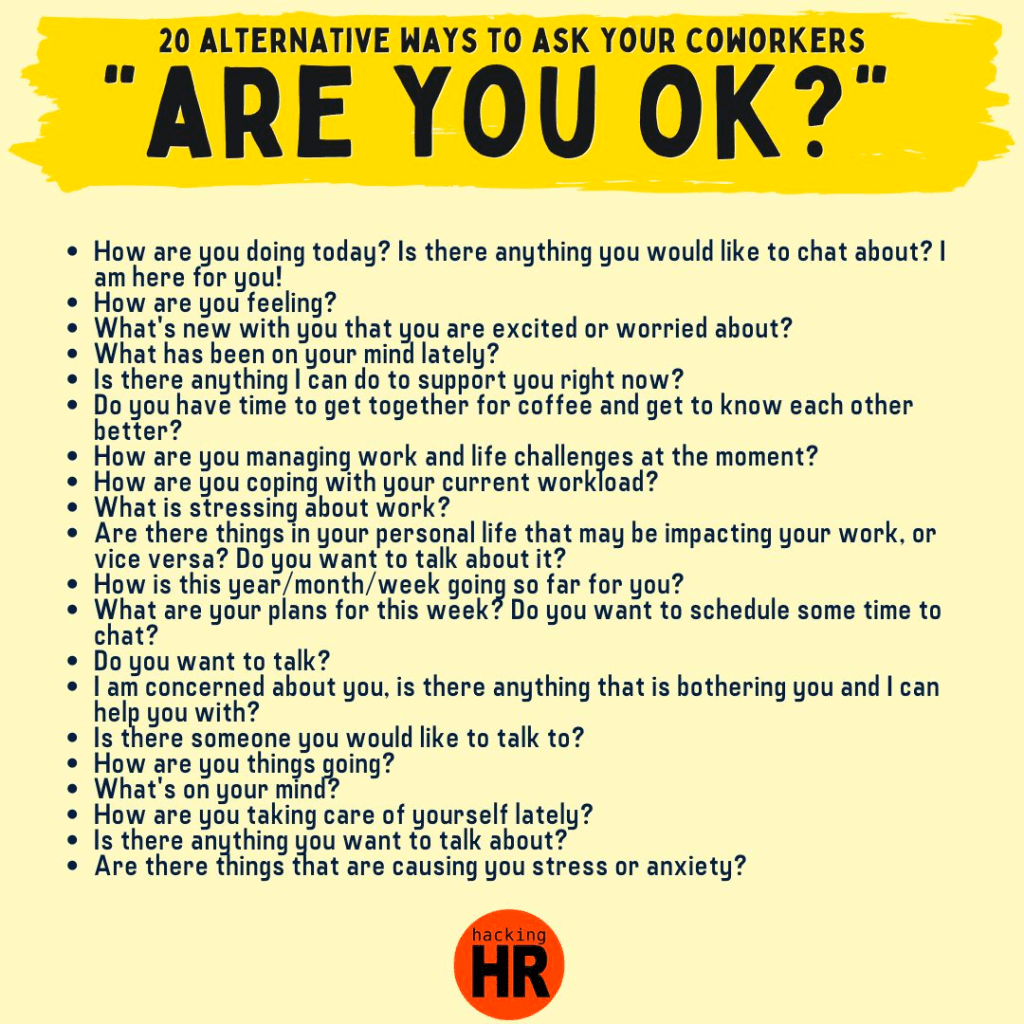
Here’s a resource from Calm on how to have a conversation about mental health: A Practical Guide to Having Mental Health Conversations with Your Colleagues or try some practice conversations through Movember Conversations.
Respect Their Privacy: While it’s important to support your coworker, it’s also important to respect their privacy. Please don’t ever share their personal information with others without their consent.
Supporting Yourself
But while it’s important to support your colleagues, it’s equally important to take care of yourself. As someone who’s dealt with burnout in the past, I know how important it is to prioritize self-care. You know that saying “If you don’t make time for your wellness, you will be forced to make time for your illness.” It is absolutely right.
Now, let’s talk about how to take care of your own mental health in the workplace. Here are some tips:
Take Breaks: Taking breaks throughout the day can help you recharge and prevent burnout. Try taking a walk outside (or at a treadmill desk, if the weather sucks) during your lunch break, or practicing mindfulness during a quick break. Here’s a great article from “Health Shots” on the importance of taking breaks: Here’s how taking a break from work can actually boost your performance | HealthShots
Prioritize Self-Care: Self-care looks different for everyone, but it’s important to prioritize it. This could include practicing yoga, meditation, or spending time with loved ones outside of work. For me, that looks like: taking time to workout, peloton rides, writing, painting, reading or cooking a really fabulous meal for myself.
Here’s an article from the CMHA on self-care: https://cmha-yr.on.ca/what-you-need-to-know-about-self-care/
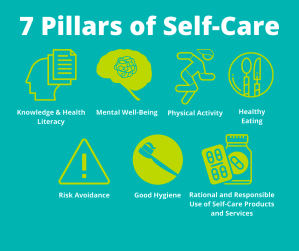
The 7 Pillars of Self Care
- Knowledge and Health Literacy
- Mental Well-Being
- Physical Activity
- Physical Activity
- Risk Avoidance
- Good Hygiene
- Rational and Responsible Use of Self-Care Products and Services
Credit: https://cmha-yr.on.ca/what-you-need-to-know-about-self-care/
Use Your Resources: Many companies offer mental health resources, such as an EAP or mental health days. Don’t be afraid to use these resources when you need them. Here’s a resource from the Government of Canada on mental health in the workplace: Mental health in the workplace – Canada.ca and another great resource from the Mental Health Commission of Canada Workplace Mental Health – Mental Health Commission of Canada.
One FREE Resource, near and dear to my heart:
www.equipped.youthsmart.ca
Equipped : an online mental health education platform that offers free, self-directed courses for young adults. Created in memory of my brother Phillip.
Set Boundaries: Setting boundaries can help you maintain a healthy work-life balance. Don’t be afraid to say no to extra work or overtime if it’s not sustainable for you. Here’s a resource from the Career Contessa on setting boundaries: 8 Ways to Establish Healthy Boundaries at Work | Career Contessa
By supporting your coworkers and taking care of your own mental health, you can create a positive and supportive workplace environment. Remember, mental health is just as important as physical health, and it’s up to all of us to prioritize it in the workplace.
Best Practices for Creating a Positive Mental Health Environment in the Workplace
Creating a positive mental health environment in the workplace is key. This includes implementing mental health policies and resources, such as an EAP or mental health days, and fostering a culture of open communication and non-judgment.
I’ve been lucky to work for a few companies that value mental health and wellbeing. They provide an EAP, managers encourage us to take time off when we need it and Short Term Disability benefits to help you put your mental health first. It’s made a world of difference in my own mental health.
Remember, mental health issues are just as important as physical health issues. Taking care of yourself and your colleagues should be a top priority in the workplace. With a little bit of empathy, understanding, and support, we can create a workplace that’s supportive of mental health and wellbeing.
Let’s make mental health a priority in the workplace – our mental health depends on it.
 Dresses every damn day