
Grieving with Burgers, Long Walks, and Rituals from Around the World
Grief is a strange, winding road—sometimes, it’s an intense cry-fest in the car, and other times, it’s laughing at that one ridiculous inside joke you had with your loved one. Five years ago, I lost my little brother, Phillip, and it’s been a rollercoaster since. Phillip was a bright light—an award-winning TA, a talented tennis player, and a hilarious, sometimes infuriating presence in my life. As I remember him today, I want to share not only how I keep his memory alive but also some beautiful grief rituals from around the world. If you’re navigating your own grief, maybe you’ll find something here that resonates, or at least makes you feel a little less alone in the process.
When Phillip passed, I found myself in “do mode”—planning a funeral like I was running an event, complete with a mental checklist and spreadsheets. Years of wedding and event planning surprisingly came in handy, though I never thought I’d use those skills for this. Now, if anyone needs tips on planning a service, I’m your girl. And yes, I’m laughing at the irony as I type this.
Over the years, I’ve developed my own little grief rituals: I walk for Phillip on the two days that matter most—his birthday (January 11th) and the day he left us (September 13th). Walking was his thing (he called them “ate too much” walks or “mental health” walks), so it’s my way of connecting with him. Plus, I eat burgers and sushi because, let’s be real, he would have approved. It’s my time to embrace all the feelings—sadness, anger, gratitude, and even the occasional laugh at the ridiculous memories we shared.
Grief is universal, but the ways we honor our loved ones are as varied as our personalities. Here are a few grief rituals from around the world that might give you some new ideas for how to remember your loved one:
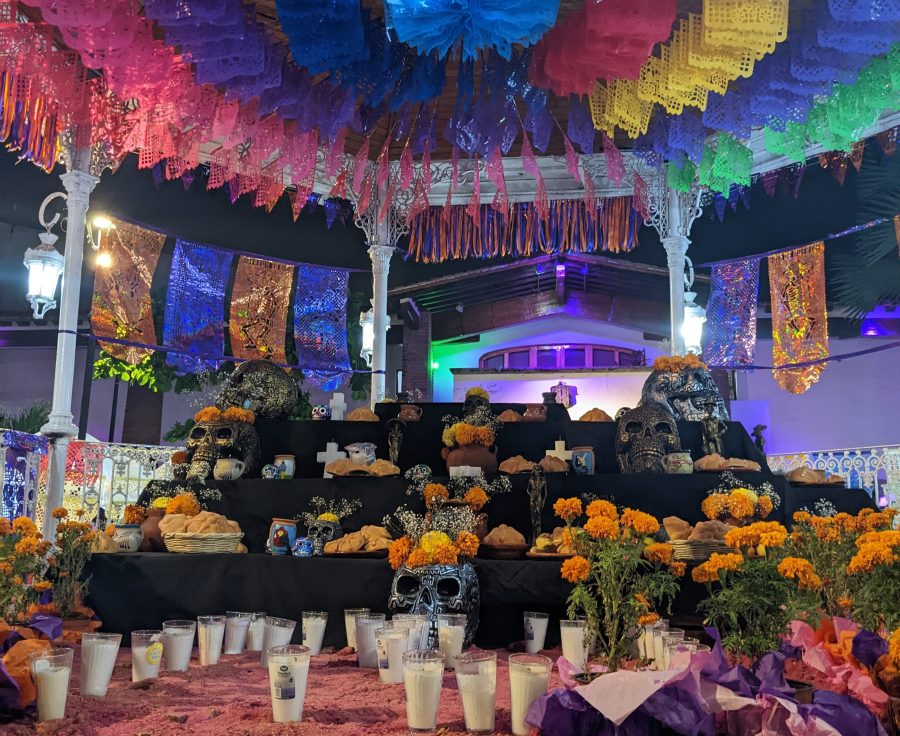
- Día de los Muertos (Mexico): This isn’t your typical day of mourning. It’s a full-on celebration where families create altars adorned with marigolds, photos, and the favorite foods of their loved ones. It’s believed that on this day, the spirits come back to visit, and I can’t help but think how Phillip would’ve loved popping in for a quick hello, probably to critique my taste in music, or what show I was watching while eating all the sushi.
- Bon Festival (Japan): Every summer, Japanese families celebrate Obon, where they believe their ancestors’ spirits return home. They light lanterns to guide them back, and the whole thing wraps up with the Bon Odori dance. Imagine a family reunion where the guests are a little more… ethereal. It’s a comforting thought, though—like the ultimate “they’re always with us” feeling.
- Mourning Beads (Middle East): In Iran and Turkey, it’s common to use prayer beads to recite verses in memory of those who’ve passed. I like the idea of having something tangible to hold onto during tough moments—kind of like a stress ball, but with deeper spiritual meaning.
- Ghanaian Fantasy Coffins (Ghana): Ghanaians know how to make a statement, even in death. They craft custom coffins that reflect the deceased’s passions or profession, from cars to fish to, I kid you not, airplanes. It’s a way to send someone off with style, and honestly, I think Phillip would’ve liked that. Maybe a tennis racket-shaped coffin for him?
- Sky Burials (Tibet): This one’s a bit intense, but the symbolism is beautiful. In Tibet, some families leave their loved ones on mountaintops to be consumed by birds, symbolizing the soul’s return to the natural world. It’s a powerful reminder of the interconnectedness of life, even if it’s not quite my cup of tea.
For me, walking 1000 steps x the age he would be on his birthday and on the anniversary of Phillip’s passing is like a cardio session for the soul. It’s not just about the steps, though—each one is a little meditation, a moment to reflect, laugh, cry, and occasionally mutter, “You owe me for this one, buddy” under my breath. I even eat his favorite foods on those days. Yes, it’s a weird way to feel close to him, but sometimes grief makes you do strange things—like eating an entire burger and pretending he’s there making fun of my clumsy eating habits.
We also work with the Canadian Mental Health Association (CMHA) to help other young people get the support they need through Equipped. It’s a small way of turning our loss into something meaningful, of giving Phillip’s story a chance to help others.
Everyone’s grief looks different. For some, it’s a quiet moment by a graveside; for others, it’s turning up the music and dancing with their tears. If you’re struggling to find your way, I hope some of these rituals resonate with you—or at least make you feel a little more human in the chaos of it all. You’re allowed to cry, to laugh, to eat too many fries, or to scream-sing in the car. The important part is finding what helps you hold onto that connection, whatever that looks like.
Five years in, I’m still figuring this out. Grief doesn’t have a timeline—it’s more like a messy, ongoing conversation with someone who isn’t physically there anymore. But I hold onto the belief that love doesn’t die. It sticks around, like glitter after a party. It shows up in the walks, the cheeseburgers, and the little moments where I feel Phillip beside me, probably rolling his eyes but smiling all the same.
If you are grieving, please know you’re not alone. Take a deep breath, do what you need to do, and remember that sometimes, it’s okay to laugh through the tears. And if you or someone you know needs support, check out Equipped by CMHA Calgary, a resource center made possible by a donation in Phillip’s name.
Do you have a ritual or tradition that helps you remember a loved one? Drop it in the comments—let’s create a space where we can share our stories and support one another, one awkward, beautiful, messy memory at a time.
 Dresses every damn day